El genoma del ornitorrinco

 Los antepasados de los mamíferos ponían huevos; los primeros mamíferos ponían huevos, y algunos mamíferos de hoy siguen poniendo huevos. Es el caso de los monotremas, es decir, los equidnas y el peculiar ornitorrinco. El genoma de este último ha sido secuenciado de forma preliminar por un extenso equipo internacional de científicos. Una hembra llamada Glennie aportó su material genético para el estudio. Ayer, la revista Nature publicaba la primera investigación* sobre la secuencia obtenida, read
 Whew! I thought they’d never get around to this. I was worried: SYDNEY, Australia - Scientists said they have mapped the genetic makeup of the platypus — one of nature’s strangest animals with a bill like a duck’s, a mammal’s fur and snake-like venom. Read the whole article. It’s kind of interesting, actually. An odd creature, really. And you thought they’d never get around to it either, didn’t you? Now, (speaking of odd creatures) if they could just figure out what makes a far left libe read
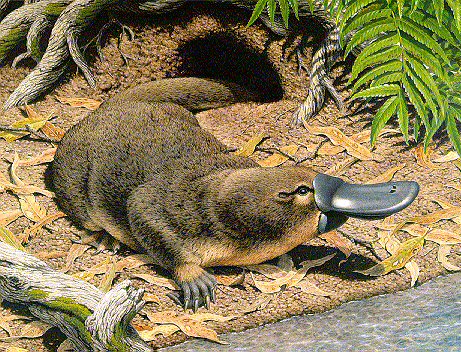 Scientists have deciphered the genetic blueprint of the duck-billed platypus, one of the oddest creatures on Earth. The animal comes from an early branch of the mammal family, and like mammals it is covered in fur and produces milk. However,... read
 My Picks From ScienceDaily Category: Science News Why Face Symmetry Is Sexy Across Cultures And Species: In humans, faces are an important source of social information. One property of faces that is rapidly noticed is attractiveness. Research has highlighted symmetry and sexual dimorphism (how masculine or feminine a face is) as important variables that determine a face's attractiveness. Platypus Genome Explains Animal's Peculiar Features; Holds Clues To Evolution Of Mammals: The duck-bille read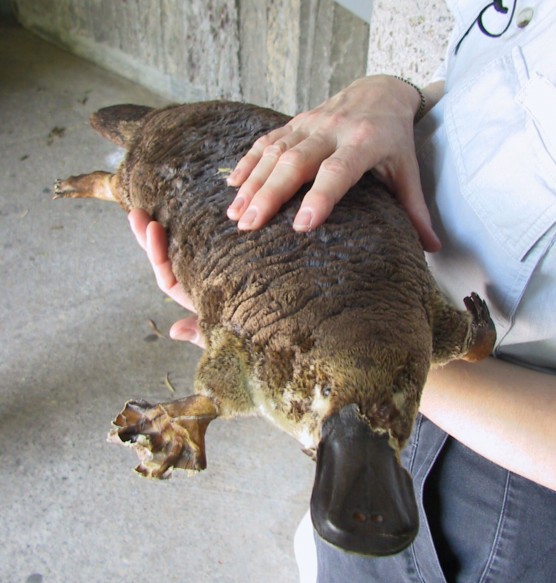
 “Arguably the oddest beast in Nature’s menagerie, the platypus looks as if were assembled from spare parts left over after the animal kingdom was otherwise complete. Now scientists know why. According to a study released Wednesday, the egg-laying critter is a genetic potpourri — part bird, part reptile and part lactating mammal. The task of laying bare the platypus genome of 2.2 billion base pairs spread across 18,500 genes has taken several years, but will do far more than satisfy the curi read
No comments:
Post a Comment